

Blue Watch
The ocean does not experience news in silos. Neither should we.
Blue Watch is Defending Blue’s weekly digest of the developments shaping maritime security, ocean sustainability, infrastructure, governance, technology, and the blue economy.
Each edition looks beyond the headline to ask how one event at sea can affect many actors differently — from navies, coast guards, and commercial operators to policymakers, scientists, coastal communities, and civil society.
The aim is not only to understand what happened, but what it reveals: who is defending what, against whom, at what cost, and with what consequences for the wider ocean system?
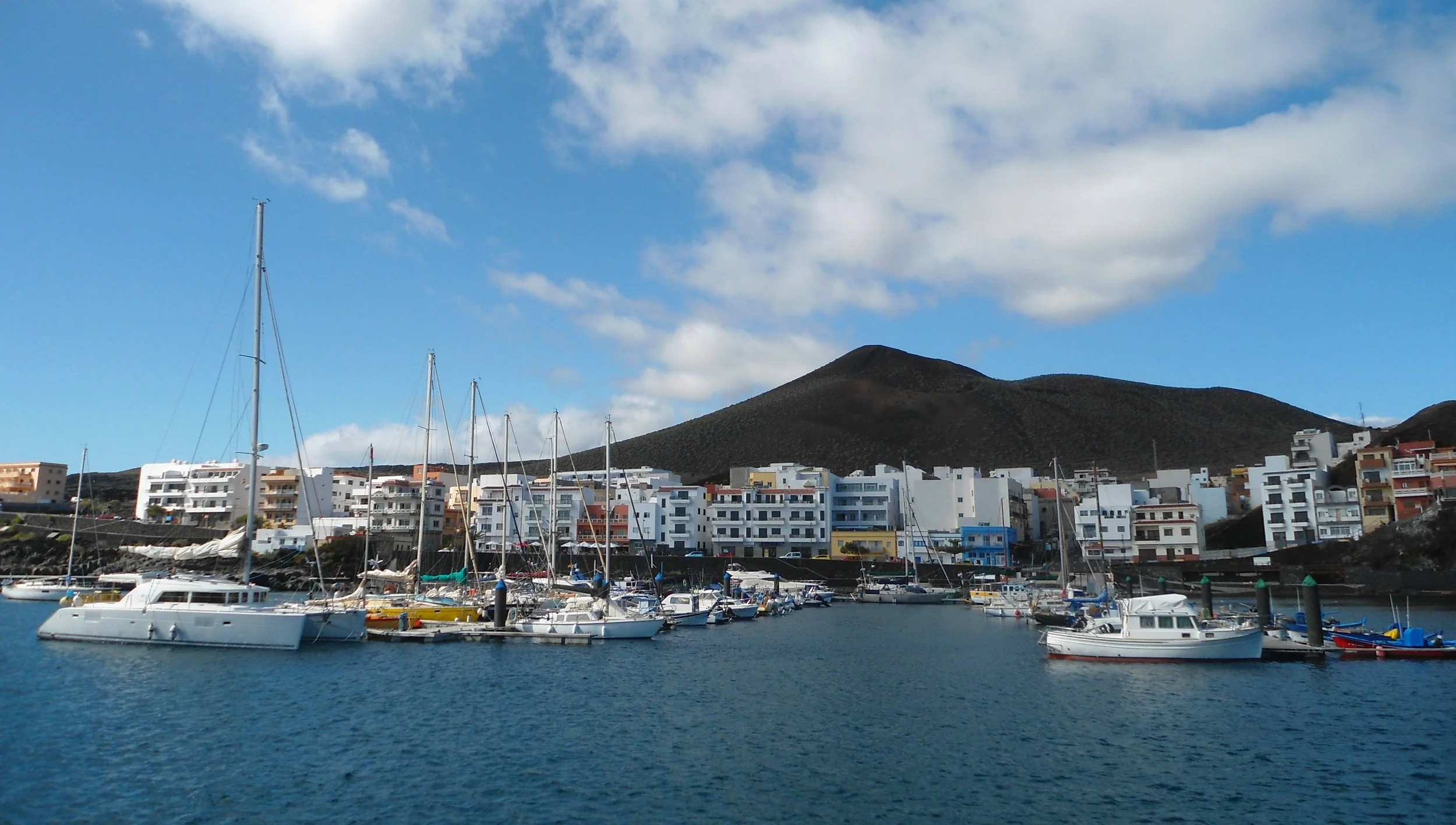
Whose security counts at sea
A power cable can draw navies into a sovereignty dispute before it carries electricity; a rescue can depend on whether a port crane works. This week’s Blue Watch follows the connections between energy, pollution, coastal warnings, allied readiness and rescue, asking who maritime security protects and who carries the costs when protection falls short.
Image credits: La Restinga harbour, El Hierro, February 2016. Photo: Rebexho / Wikimedia Commons

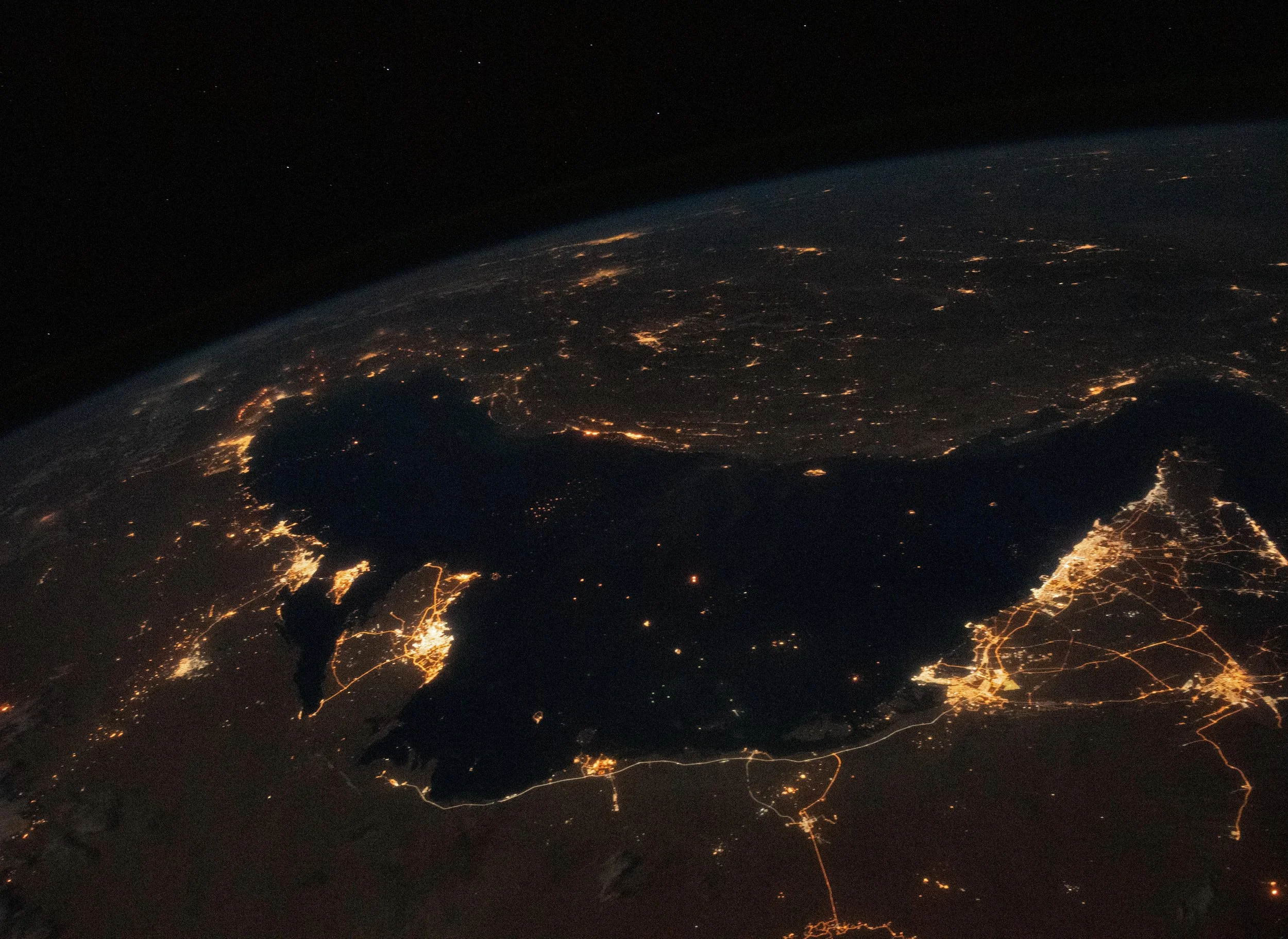
Who gets permission to act at sea?
This edition of Blue Watch follows five maritime decisions as their effects move into food security, medical access, Arctic governance, commercial shipping and ocean oversight. From a fertiliser corridor racing against planting seasons to national permits facing transboundary consequences, it asks whether responsibility can keep pace when risk crosses jurisdictions, institutions and communities.
Image credits: Image: NASA / ISS Crew Earth Observations
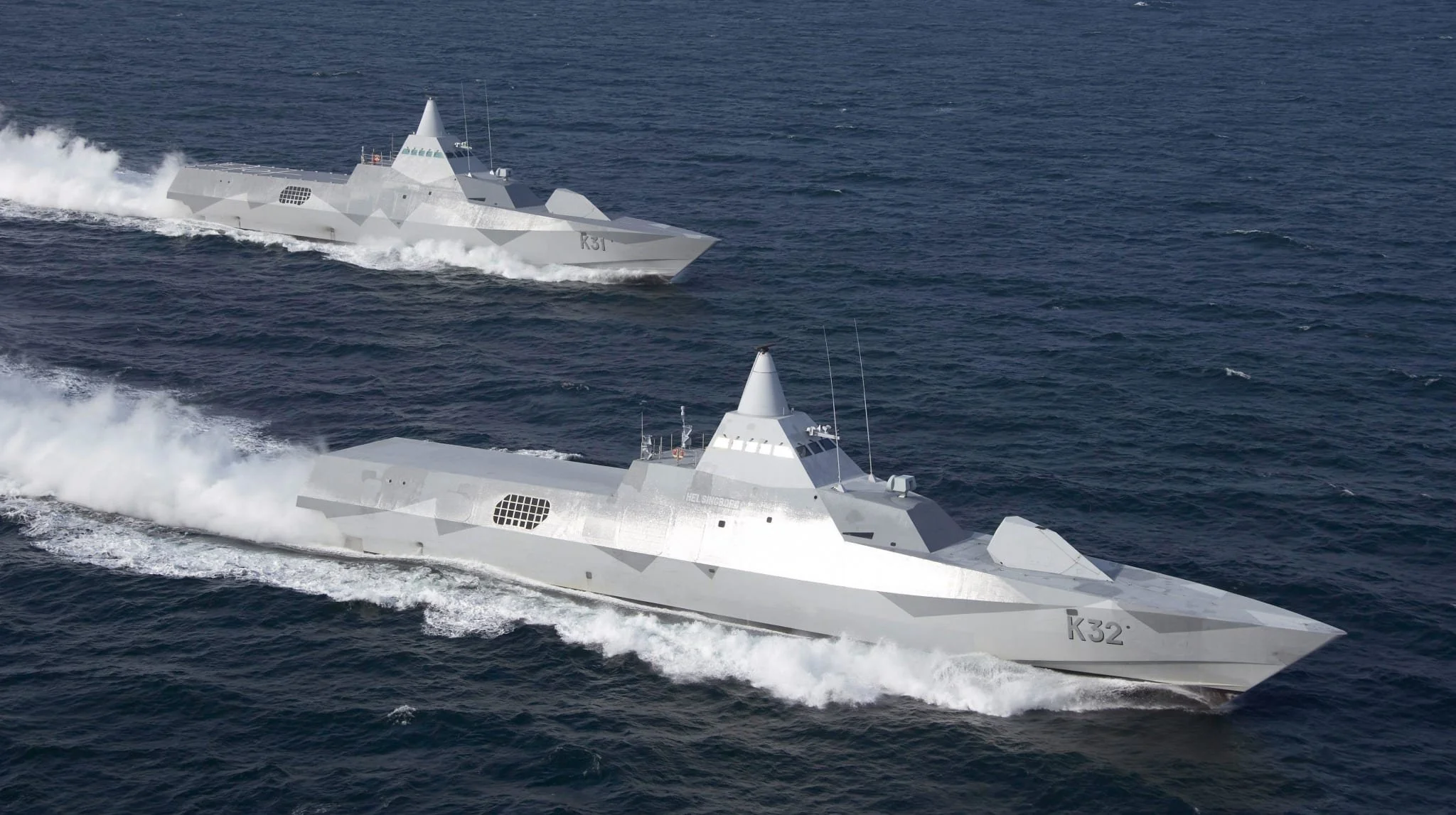
The work of defending together
This week’s Blue Watch follows cooperation from the discussions in Venice to its practical tests at sea: protecting cables, investigating destructive fishing, sustaining export routes and responding to attacks. It asks how those arrangements serve coastal communities and the crews keeping trade moving.
Image credit: Swedish Visby class corvette (Saab)
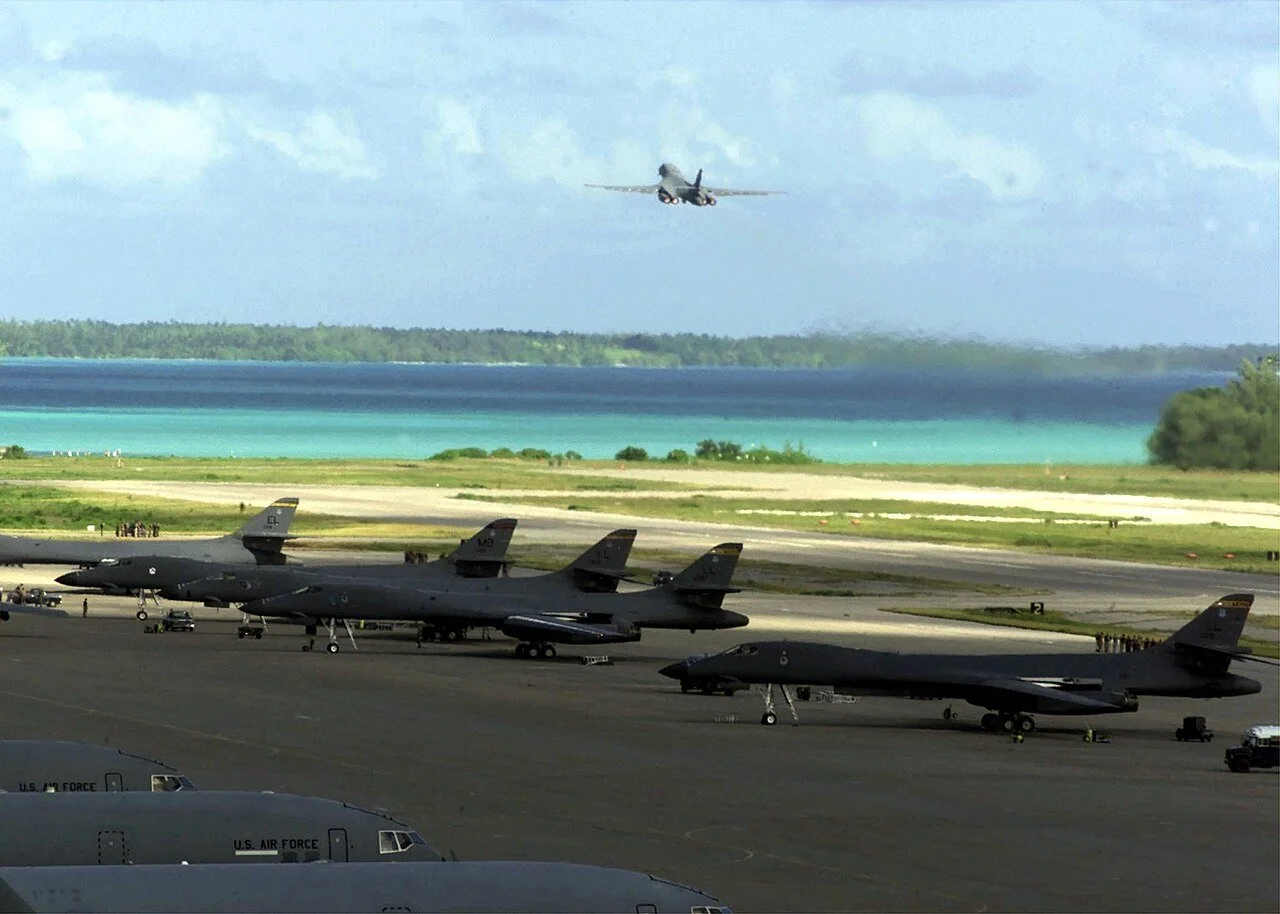
A hotter, more contested ocean leaves less room for error
Ocean heat is becoming an operating condition, marine research is pressing jurisdictional claims, and maintenance capacity is limiting usable naval power. From Canada’s protection-for-expansion test to Wester Ross’s community-led recovery, this Blue Watch asks when evidence gains enough authority to change what happens next.
Image credits: A US Air Force B-1B Lancer taking off from Diego Garcia by Senior Airman Rebeca M. Luquin, U.S. Air Force

Policy is reaching the water before capacity catches up
This week’s Blue Watch examines how maritime pressures travel across systems - from Channel rescue and Bab el-Mandeb passage to Greenlandic access, low-carbon shipping and pollution enforcement. It asks how decisions made in one part of the system redistribute risk, responsibility and operational demand among stakeholders elsewhere.
Image credit: Quintin Soloviev

Decisions at sea rarely stay where they begin
This week’s Blue Watch examines what happens when maritime decisions pass from one actor to another — from a new trade corridor and Baltic ambiguity to cyber-compromised ships, contested safe passage and political commitments awaiting delivery. It asks how responsibility survives each handover, where risk is transferred and who ultimately bears the consequences.
Image Credit: Finnish border guards demonstrate a helicopter boarding aboard the patrol vessel Turva off Helsinki, August 2025. Archive photograph: Lauri Heikkinen / Finnish Prime Minister’s Office


Maritime reach is expanding faster than accountability
This week’s Blue Watch examines whether accountability is keeping pace with expanding maritime reach, from casualty investigations and uncrewed systems to Arctic access, contested shipping rules and El Niño preparation. It follows the handovers between evidence, authority and operational capacity, asking how decisions made by one stakeholder reshape the risks borne by others.
Image Credit: Philippine Coast Guard / CC BY 4.0

The security perimeter is expanding
This week’s Blue Watch examines what happens as the maritime security perimeter expands from Pacific regional cooperation and US energy policy to port reopening, rerouted grain and the protection of people at sea. It asks how decisions in one part of the maritime system redistribute capacity and risk elsewhere, how civilian and naval actors depend on one another, and who remains exposed when definitions of security expand faster than protection.
Image Credit: NASA Earth Observatory image by Jesse Allen, using Landsat data provided by the University of Maryland’s Global Land Cover Facility. Public domain

Visibility is not the same as control.
This week’s Blue Watch examines what happens after maritime risk becomes visible - from port queues and tracked vessels to dual-use activity, strategic infrastructure and ocean warning. It asks who has the evidence, authority and capacity to act, how each decision affects stakeholders elsewhere, and who ultimately bears the consequences.
Image credit: Fiery Cross Reef during China’s island-building programme, July 2014–June 2015. Landsat-8 imagery. Source: Barnes and Hu, Scientific Reports 6, 33194 (2016), Figure 8; USGS Landsat data. CC BY 4.0.

Access is being rationed
This week’s Blue Watch examines how maritime access is shaped by power, capacity and consent — from selective protection in Hormuz and gatekeepers along alternative routes to contested resource sovereignty, disaster response and the pressures facing Ecuadorian fishers. It asks who decides what—and whom—is protected when security, ecological protection and livelihood survival place competing demands on the same ocean space.
(Image credit: Dmitry Kokh - https://www.dmitrykokh.com/about)

Maritime protection is a chain of decisions
This week’s Blue Watch looks at how disruption at sea moves through the wider ocean system — from drone strikes and port closures to rerouted shipping, fisheries decisions and coastal evacuations. It asks who carries the risk when maritime access, coastal resilience, infrastructure and livelihoods are connected, but not defended by the same actors.

Protection gaps do not disappear - they migrate.
This week’s Blue Watch examines how protection gaps migrate—from contested sea lanes to roads, rivers, ports and pipelines, and from sanctions decisions to new naval tasks. It also asks who carries the risk when maritime access, critical infrastructure, fisheries and autonomous systems have no single defender.

Who gets access - and who pays when it changes?
This week’s Blue Watch examines how disruption in the Strait of Hormuz and Black Sea is affecting seafarers, food and energy costs. It also looks at the wider question fisheries policy, climate stress, shipping finance and autonomous technology raise: who controls access to the sea, and who pays?